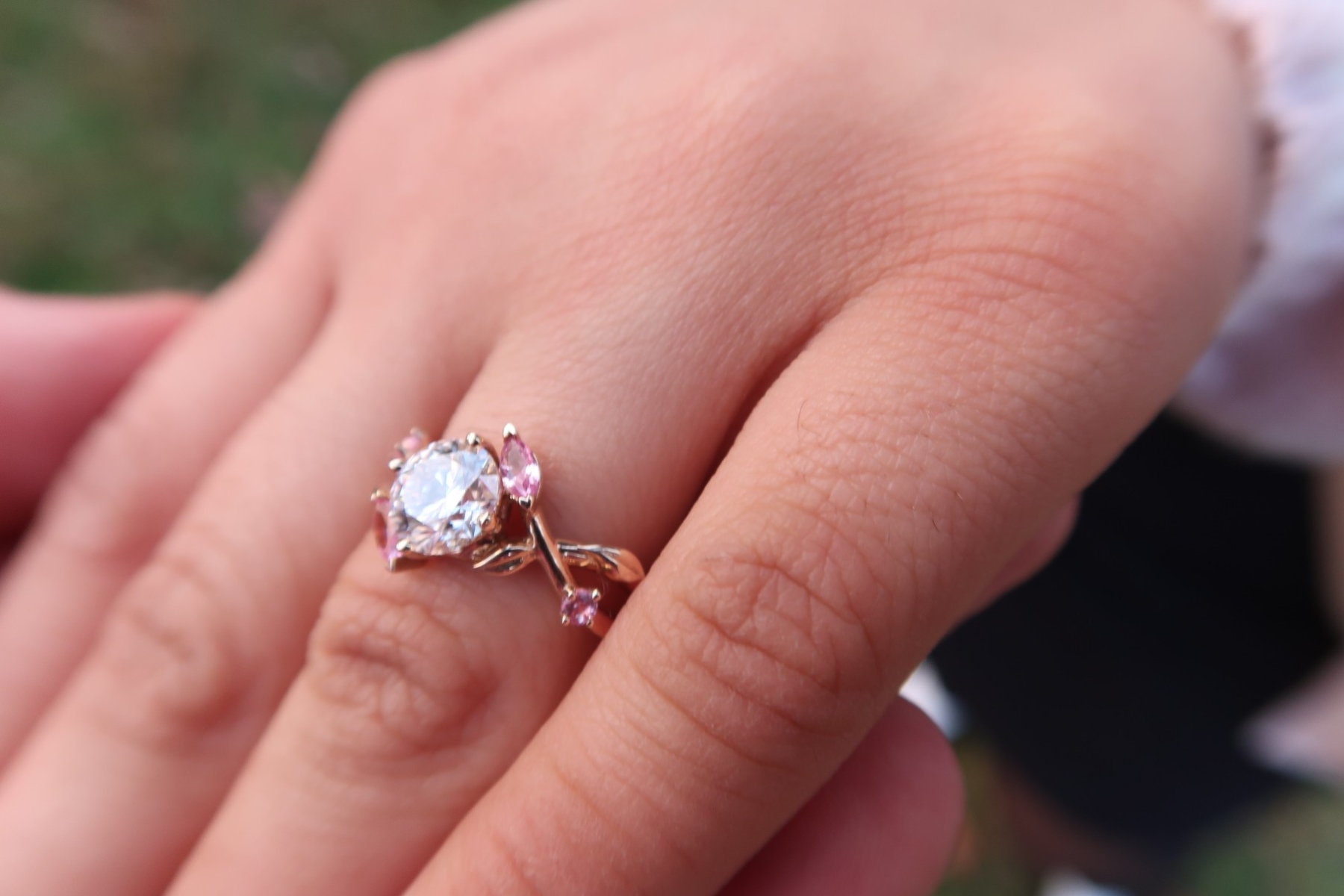
ASHEVILLE, N.C. (828newsNOW) — The debate between lab-grown and natural diamonds is changing the jewelry industry as more consumers balance price, environmental concerns and emotional value when shopping for engagement rings and fine jewelry.
Once considered a niche product, lab-grown diamonds are now widely available in jewelry stores across the country, often selling for significantly less than comparable natural stones. Industry experts say the shift is especially noticeable among younger buyers seeking larger stones at lower prices.
Despite the name, lab-grown diamonds are not fake diamonds. They are chemically, physically and visually identical to mined diamonds, according to gemologists. The main difference is origin: natural diamonds form underground over billions of years, while lab-grown diamonds are created in controlled laboratory settings using advanced technology that replicates the earth’s natural process.
For many consumers, the biggest factor is cost.
Lab-grown diamonds can cost 50 percent to 80 percent less than natural diamonds of similar size and quality, allowing buyers to purchase larger stones or higher clarity grades within the same budget. That price difference has fueled rapid growth in the market over the past several years.
Affordability has also shifted engagement ring trends, with some buyers opting for elaborate settings or multiple stones that may have been financially out of reach with mined diamonds.
Still, natural diamonds continue to hold strong appeal among traditional buyers who value rarity and long-term symbolism.
Jewelry experts say many customers still associate mined diamonds with permanence, family heirlooms and emotional significance. Some also point to resale value, noting that natural diamonds historically retain value more consistently than lab-grown stones, whose prices have continued to decline as production expands.
Environmental and ethical concerns also play a major role in the conversation.
Supporters of lab-grown diamonds argue the stones reduce the environmental disruption associated with mining and avoid concerns tied to conflict diamonds. Critics, however, note that laboratory production still requires substantial energy use, depending on how facilities are powered.
The growing popularity of lab-grown stones has forced many jewelers to adapt by offering both options and spending more time educating customers.
Industry analysts say the future market may increasingly separate diamonds into two categories: natural stones marketed as rare luxury items and lab-grown diamonds positioned as affordable fashion or bridal alternatives.
For shoppers, jewelers recommend focusing less on trends and more on personal priorities.
Experts say buyers should ask about certification, warranties and return policies regardless of which type of diamond they choose. Both natural and lab-grown diamonds can be certified by major gemological organizations, helping consumers compare quality and authenticity.
As consumer preferences evolve, jewelers say one thing remains unchanged: buyers still want jewelry tied to meaningful moments, whether the stone formed deep underground or inside a laboratory.